Subscribe & Save Up To 40% + Free US ShippingEnjoy 45% Off + Free Welcome Kit (€115)

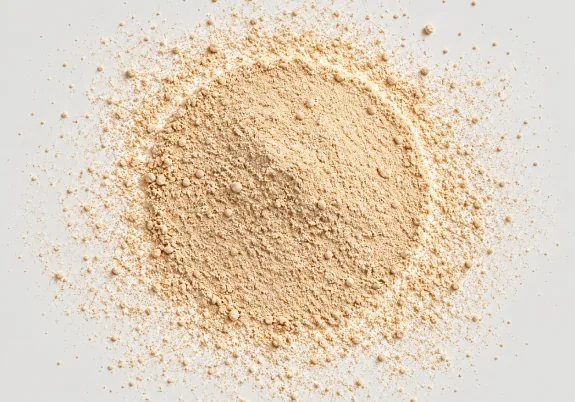
A hand holding a glass dish with a small mound of white powder

The research behind every number on our label.

Nattokinase has been studied since 1987, CoQ10 since 1957.
Here is what was studied, at what dose, and where the evidence stops.

Science

One formula, explained in full.

Four actives in two softgels a day: nattokinase, vitamin K2 as MK-7, CoQ10 and vitamin D3. We chose each dose from the published research, a cardiologist checks every claim, and you can read every study we relied on. Start with the part that matters most to you.
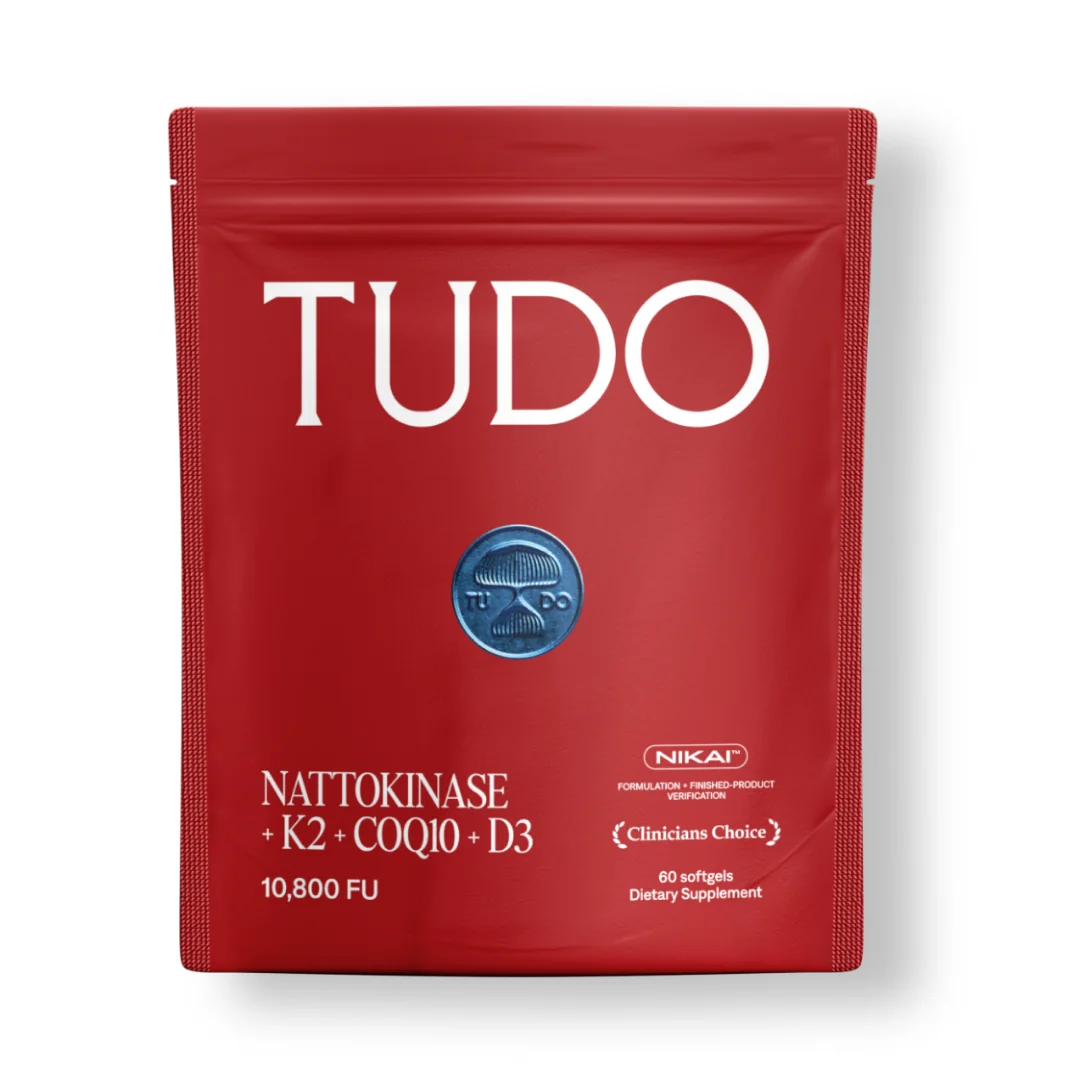
TUDO pouch: Nattokinase + K2 + CoQ10 + D3, 60 softgels
The research

Our approach

We started with the research, not the price point.

In the nattokinase category, the dose usually follows the price. A formula is built to hit a number on the shelf, and the active ingredient gets whatever fits inside it.

We worked the other way round. We read the published studies first and built the formula from them with Dr. Karl Grikis, an interventional cardiologist and clinical trial investigator. He helped choose each active and its dose, and he reviews every claim we make before it reaches you.

Every ingredient is on the label, at the amount stated. No proprietary amounts. And where the research stops, we say so.

We started with the research, not the price point.

In the nattokinase category, the dose usually follows the price. A formula is built to hit a number on the shelf, and the active ingredient gets whatever fits inside it.

We worked the other way round. We read the published studies first and built the formula from them. Every ingredient is on the label, at the amount stated. No proprietary amounts.

The formula

Four actives. Every amount on the label.

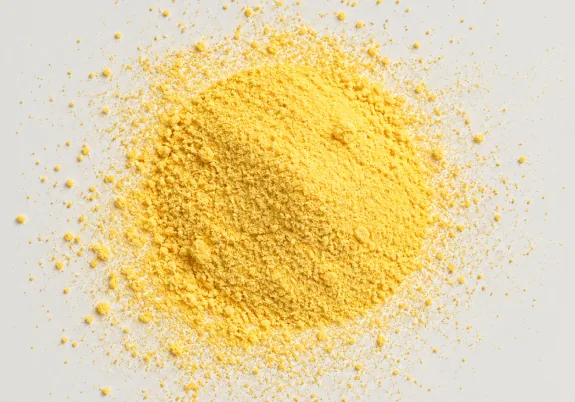
Nattokinase powder

Nattokinase · 10,800 FU

The enzyme from natto, a fermented soy food eaten in Japan for centuries. 10,800 FU is the daily dose used in a 12-month study of 1,062 adults.
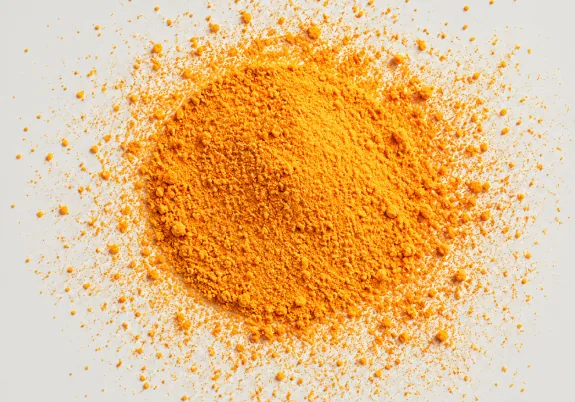
Vitamin K2 MK-7 powder

Vitamin K2 MK-7 · 180 mcg

MK-7 stays in the blood far longer than vitamin K1. Supports vitamin K status and osteocalcin carboxylation.*
CoQ10 powder

CoQ10 · 200 mg

As ubiquinone, a compound the body makes on its own. Supports healthy blood-vessel function* and helps reduce the everyday tiredness that builds up with age.*
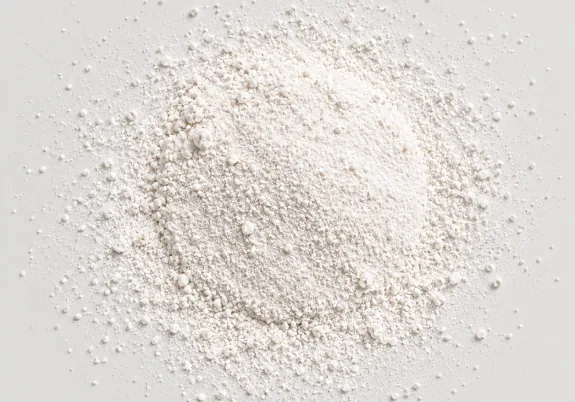
Vitamin D3 powder

Vitamin D3 · 1,000 IU

The form of vitamin D the body also makes in sunlight. Supports normal bone maintenance and normal immune function.*

What each ingredient supports.

Blood vessels

Supports healthy blood-vessel function.* CoQ10 is a compound the body makes on its own. Each serving adds 200 mg as ubiquinone.

Scientific research

Gao L. et al. Effects of coenzyme Q10 on vascular endothelial function in humans: a meta-analysis of randomized controlled trials. Atherosclerosis 221, 311-316 (2012).

Everyday energy

Supports cellular energy.* CoQ10 helps your cells turn food into energy. Each serving has 200 mg.

Scientific research

Mehrabani S. et al. Effect of coenzyme Q10 supplementation on fatigue: a systematic review of interventional studies. Complementary Therapies in Medicine 43, 181-187 (2019).

Immune system

Supports normal immune function.* Each serving has 25 mcg (1,000 IU) of vitamin D3, the same form your skin makes in sunlight.

Scientific research

NIH Office of Dietary Supplements. Vitamin D: Fact Sheet for Health Professionals.

Circulation

Supports healthy circulation.* Each serving has 540 mg of nattokinase (10,800 FU, the unit for its enzyme activity). Nattokinase is an enzyme from natto, a fermented soy food eaten in Japan for centuries.

Bones

Supports bone health.* Each serving has 180 mcg of vitamin K2 as MK-7 (menaquinone-7) and 25 mcg (1,000 IU) of vitamin D3. K2 helps activate osteocalcin, a protein made in bone.

Scientific research

Schurgers L.J. et al. Vitamin K-containing dietary supplements: comparison of synthetic vitamin K1 and natto-derived menaquinone-7. Blood 109, 3279-3283 (2007).

*These statements have not been evaluated by the Food and Drug Administration. This product is not intended to diagnose, treat, cure, or prevent any disease.

The evidence

Nearly four decades of research on nattokinase.

Nattokinase was first described in 1987, in natto, a fermented soy food. It has appeared in more than 300 published papers since. These three studies matter most to us.

  • Chen et al., 2022 · Frontiers in Cardiovascular Medicine

    12 months, 1,062 adults, 1,001 of them at 10,800 FU a day. Not randomized, and no placebo group.

  • Kurosawa et al., 2015 · Scientific Reports

    One 2,000 FU dose against placebo, double-blind, in 12 healthy young men, followed for eight hours.

  • Li et al., 2023 · Reviews in Cardiovascular Medicine

    Six randomized trials pooled, 546 people, 2,000 to 8,000 FU a day.

The research, in detail

The studies behind the numbers on this page. For each one: how it was run, who took part, what it shows, and where it stops.

  • The 12-month study behind our dose

    Retrospective study · 2022

    Frontiers in cardiovascular medicine

    1,062

    adults, 1,001 of them at 10,800 FU

  • The largest randomized trial of nattokinase we know of

    Randomized trial · 2021

    Clinical Hemorheology and Microcirculation

    265

    participants, about 3 years

  • One 2,000 FU dose, followed for eight hours

    Crossover trial · 2015

    Scientific Reports

    12

    healthy young men

  • Six randomized trials, pooled

    Meta-analysis · 2023

    Reviews in Cardiovascular Medicine

    546

    participants in 6 trials

  • How long MK-7 stays in the blood

    Vitamin K2 · 2007

    Blood

    7-8x

    MK-7 accumulation with longer use.

  • CoQ10 and blood-vessel function

    CoQ10 · Meta-analysis · 2012

    Atherosclerosis

    194

    participants in 5 trials

The dose

We chose 10,800 FU because it is the daily dose in the largest nattokinase study we know of, not the amount that fits a low price. A higher dose is not proof of a larger effect, and we don't claim it is.

Our dose matches the one used in the 12-month study. That study was not run on our product.

The cardiologist behind the formula.

"My job isn't to make the product sound bigger. It's to check that the dose matches the research, the label is honest, and the people who shouldn't take it are told so clearly."

Dr. Karl Grikis, MD

Interventional cardiologist · Scientific advisor, TUDO

Dr. Karl Grikis

What Dr. Grikis reviews

  • The dose of every active, against the published studies
  • Every claim on the label and on this page
  • The warnings: who should not take TUDO, and when to stop

Who should not take TUDO

Anyone taking warfarin or another vitamin K antagonist. Talk to your doctor first if you take blood-thinning or antiplatelet medication (including aspirin), have a bleeding disorder, are pregnant or nursing, are under 18, or have surgery planned. Stop at least 2 weeks before any procedure.

Dr. Grikis is a paid scientific advisor to TUDO.

The NIKAI™ Standard

Nattokinase, vitamin K2, CoQ10 and D3 in one daily serving, made to one published standard. NIKAI™ is that standard. It defines what goes into every softgel and how every lot is checked.

Made to

quality standard
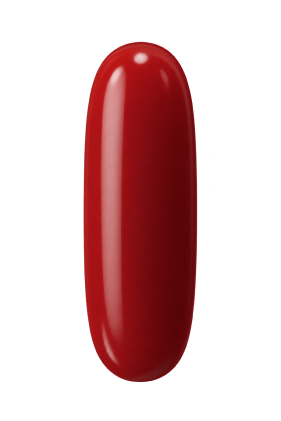
A TUDO softgel

01 / Studied form

02 / Lab tested

03 / Published COA

Why a standard, not a technology

Most supplements tell you what went into the batch. A label lists milligrams of raw material, sometimes next to a technology name that no one outside the company can check.

NIKAI™ works the other way. It isn't a patent or a secret process. It is a written specification we publish and then have to meet, lot after lot. If a lot doesn't meet it, that lot isn't sold.

  1. 01 / Studied form

    Every active is used in the form it was studied in: nattokinase from natto, vitamin K2 as MK-7, CoQ10 as ubiquinone, vitamin D3 as cholecalciferol. All four sit in an oil-filled softgel, because K2, CoQ10 and D3 are fat-soluble.

  2. 02 / Lab tested

    Potency is measured in the finished softgel, after manufacturing, by an independent ISO/IEC 17025 accredited laboratory. Not calculated from the raw material, and not taken from a supplier's certificate. The number on the label is the number the lab has to confirm, lot by lot.

  3. 03 / Published COA

    Every lot gets its own certificate of analysis: potency, identity and purity. Scan the QR code on your pouch to open this page, enter the lot number, and you see the results for the softgels in your hand.

Our shelf life is based on the manufacturer's stability data. As our own data comes in, it is added to the standard.

How it's made

Nattokinase potency is usually stated from the raw ingredient: the enzyme powder before it goes into a softgel. We test the finished softgel, every lot, and publish the result.

Enzyme activity can change during production. The raw-ingredient number tells you what went into the batch. The finished-softgel number tells you what made it into the product.

Filmed on our production line: a cGMP-certified facility, audited by SGS.

Questions about the research

Short answers to what people ask us most.

TUDO Nattokinase + K2 + CoQ10 + D3 pouch

Save up to $236 a year with
a TUDO subscription

With your subscription:

Subscription discount
Up to 40%
US Shipping
Free
Price lock
While you're subscribed
Skip, pause or cancel
Anytime
Money-back guarantee
90 days

Your price:

$49 From $29.33 / pouch

Get started

Auto-renews on your schedule. Cancel anytime.

Retrospective study · 2022

The 12-month study behind our dose

Records of 1,062 adults who took nattokinase tablets daily for a year, most at 10,800 FU.

  • Not Randomized
  • Not Placebo-controlled
  • Retrospective

Published in

Frontiers in Cardiovascular Medicine · 2022 · 9:964977 · PMID 36072877

Methods

A retrospective study: researchers looked back at the records of adults seen at two hospitals and nine community health centers in China between 2016 and 2020. People took nattokinase on a doctor's advice or by their own choice. 1,001 took 10,800 FU a day and 61 took 3,600 FU a day, for 12 months. There was no placebo group.

Participants
1,062
Age
63-85
Duration
12 mo
Most took
10,800 FU

What it tells us

That 10,800 FU a day has been taken every day for a year by 1,001 adults in their sixties to eighties. The authors report that no noticeable side effects were recorded. It is the study our dose comes from.

What it doesn't

It is not a randomized trial and has no placebo group, so it can't separate the effect of nattokinase from anything else in people's lives. It only included people with a full year of records, so anyone who stopped early is not counted. Five of its ten authors worked for the company that made the tablets. And it was not run on our product, so it can't tell you what TUDO will do for you.

Chen H, Chen J, Zhang F, et al. Front Cardiovasc Med. 2022;9:964977.

View on PubMed

Randomized trial · 2021

NAPS: the largest randomized
trial of nattokinase we know of

Healthy adults took 2,000 FU of nattokinase or a matching placebo every day for about three years.

  • Randomized
  • Placebo-controlled
  • Double-blind

Published in

Clinical Hemorheology and Microcirculation · 2021 · 78:339-353 · PMID 33843667

Methods

A single-center trial at the University of Southern California. 265 adults over 55 without cardiovascular disease were randomly assigned to nattokinase or placebo and checked every six months.

Participants
265
Median age
65.3
Duration
3 yrs
Daily dose
2,000 FU

What it tells us

On its main measures, nattokinase did not show a difference compared with placebo. It is the largest and longest randomized trial of nattokinase we know of, so we think you should know that.

What it doesn't

It used about a fifth of our dose, so it can't tell us how 10,800 FU a day behaves. It studied healthy adults at low risk and looked at a narrow set of measures. And it was not run on our product.

Hodis HN, Mack WJ, Meiselman HJ, et al. Clin Hemorheol Microcirc. 2021;78:339-353. Registry: NCT02080520.

View on PubMed

Crossover trial · 2015

One 2,000 FU dose,
followed for eight hours

Twelve healthy young men took a single nattokinase softgel and, on another day, a placebo.

  • Randomized order
  • Placebo-controlled
  • Double-blind
  • Crossover

Published in

Scientific Reports · 2015 · 5:11601 · PMID 26109079

Methods

Each man took one 2,000 FU softgel or a placebo softgel, then switched after a break of more than two weeks. That switch is what "crossover" means. Blood was drawn before the dose and at 2, 4, 6 and 8 hours.

Participants
12
Median age
22
Duration
8 hrs
Daily dose
2,000 FU

What it tells us

That one oral dose of 2,000 FU has been tested against placebo, double-blind, with blood tests over the following eight hours. It is a short, early look at a single dose, not a study of outcomes.

What it doesn't

One dose, twelve young men, eight hours. It says nothing about daily use, about people over 50, or about any long-term outcome. And it was not run on our product.

Kurosawa Y, Nirengi S, Homma T, et al. Sci Rep. 2015;5:11601.

View on PubMed

Meta-analysis · 2023

Six randomized trials, pooled

By its authors' account, the first systematic review and meta-analysis of randomized, placebo-controlled trials of nattokinase.

  • Systematic review
  • Meta-analysis
  • Randomized trials only

Published in

Reviews in Cardiovascular Medicine · 2023 · 24:234 · PMID 39076715

Methods

The authors searched four databases for English-language papers up to February 2023 and found seven randomized trials with 607 people. Six could be pooled.

Trials pooled
6
Participants
546
Most ran
8 wks
Doses
2,000-8,000

What it tells us

Randomized trials of nattokinase are few and small. The six pooled trials used 2,000 to 8,000 FU a day, most for eight weeks. None used 10,800 FU.

What it doesn't

The authors call their findings preliminary: few studies, different doses and different groups of people. It can't tell you how 10,800 FU a day behaves, or what TUDO will do for you.

Li X, Long J, Gao Q, et al. Rev Cardiovasc Med. 2023;24:234.

View on PubMed

Vitamin K2 · Clinical study · 2007

How long MK-7 stays in the blood

Healthy volunteers took synthetic vitamin K1 or MK-7 made from natto. MK-7 (menaquinone-7) is the form of vitamin K2 in TUDO.

  • Human study
  • Multicenter
  • K1 and MK-7 compared

Published in

Blood · 2007 · 109:3279-3283 · PMID 17158229

Methods

Volunteers took each form once, and then over a longer period. The researchers tracked blood levels of each form and a marker of vitamin K activity.

Peak after a dose4 hours

MK-7 build-up7-8x

Both forms peaked about four hours after a dose. With longer intake, MK-7 built up to 7 to 8 times higher levels. From the study abstract.

What it tells us

Both forms were absorbed well and peaked about four hours after intake. MK-7 stays in the body much longer, so blood levels stay more stable and build up 7 to 8 times higher with longer intake. MK-7 also activated more of osteocalcin, a protein made in bone. Vitamin K does this through a step called carboxylation.

Who should not take TUDO, and why

The same paper notes that 50 mcg a day or more of MK-7 may interfere with warfarin-type medication. TUDO has 180 mcg a day. That is why TUDO is not for anyone taking warfarin or another vitamin K antagonist. If you take any prescription medicine, ask your doctor before you start.

Schurgers LJ, Teunissen KJ, Hamulyak K, et al. Vitamin K-containing dietary supplements: comparison of synthetic vitamin K1 and natto-derived menaquinone-7. Blood. 2007;109:3279-3283.

View on PubMed

Vitamin K2 · Clinical study · 2007

How long MK-7 stays in the blood

Healthy volunteers took synthetic vitamin K1 or MK-7 made from natto. MK-7 (menaquinone-7) is the form of vitamin K2 in TUDO.

  • Human study
  • Multicenter
  • K1 and MK-7 compared

Published in

Blood · 2007 · 109:3279-3283 · PMID 17158229

Methods

Volunteers took each form once, and then over a longer period. The researchers tracked blood levels of each form and a marker of vitamin K activity.

Trials pooled
6
Participants
546

What it tells us

Both forms were absorbed well and peaked about four hours after intake. MK-7 stays in the body much longer, so blood levels stay more stable and build up 7 to 8 times higher with longer intake. MK-7 also activated more of osteocalcin, a protein made in bone. Vitamin K does this through a step called carboxylation.

Who should not take TUDO, and why

The same paper notes that 50 mcg a day or more of MK-7 may interfere with warfarin-type medication. TUDO has 180 mcg a day. That is why TUDO is not for anyone taking warfarin or another vitamin K antagonist. If you take any prescription medicine, ask your doctor before you start.

Schurgers LJ, Teunissen KJ, Hamulyak K, et al. Vitamin K-containing dietary supplements: comparison of synthetic vitamin K1 and natto-derived menaquinone-7. Blood. 2007;109:3279-3283.

View on PubMed

CoQ10 · Systematic review · 2019

CoQ10 and everyday tiredness

A systematic review, a structured summary of all the studies on one question. Here: studies that gave people CoQ10 and measured fatigue.

  • Systematic review
  • Not Meta-analysis

Published in

Complementary Therapies in Medicine · 2019 · 43:181-187 · PMID 30935528

Methods

The authors searched six databases to April 2018 and screened 1,316 records. 16 studies met their criteria. They summarized them one by one; they did not pool them into one number.

Studies
16
Reported a benefit
10

What it tells us

In 10 of the 16 studies, people taking CoQ10 reported less fatigue. Most of the studies were in people with a health condition, not in healthy adults. We use it only as background for a narrower line: supports cellular energy.*

What it doesn't

The studies were different in size, dose and who took part, and many were in people with an illness. The authors say larger, longer trials are needed before a firm link can be drawn.

Mehrabani S, Askari G, Miraghajani M, et al. Effect of coenzyme Q10 supplementation on fatigue: a systematic review of interventional studies. Complement Ther Med. 2019;43:181-187.

View on PubMed

The dose

Where 2,000 FU comes from, and where 10,800 FU sits

FU is the unit for nattokinase: it measures how active the enzyme is, not how much it weighs. 2,000 FU is the dose randomized trials used most often. None we know of used 10,800 FU.

Daily dose across the published studies

  • NAPS 2021 · randomized, about 3 years2,000 FU
  • Kurosawa 2015 · randomized, single dose2,000 FU
  • Chen 2022 · comparison group, 12 months3,600 FU
  • Yoo 2019 · randomized, 8 weeks6,000 FU
  • Yang 2009 · randomized, 6 months7,000 FU
  • Wu 2009 · randomized, 8 weeks8,000 FU
  • Chen 2022 · retrospective, 12 months10,800 FU
  • TUDO · per serving10,800 FU

A selection of the randomized trials in Li et al. 2023 (Table 1), plus Kurosawa 2015 and Chen 2022.

What this means

2,000 FU is the most studied dose. 10,800 FU has been followed in one study we know of: the 12-month retrospective one. We chose that dose on purpose. A higher dose is not proof of a larger effect, and we don't claim it is.

Li X et al. Rev Cardiovasc Med. 2023;24:234 · Hodis HN et al. Clin Hemorheol Microcirc. 2021;78:339-353 · Kurosawa Y et al. Sci Rep. 2015;5:11601 · Chen H et al. Front Cardiovasc Med. 2022;9:964977.

Nattokinase research

From a Japanese
food to human trials

The milestones behind the numbers on this page, each with its source. FU is the unit used to measure nattokinase's enzyme activity.

  1. 1987

    Nattokinase is described and named

    Sumi et al. find the enzyme in natto, a fermented soy food. Experientia 43:1110-1111.

  2. 1990

    Earliest report in PubMed of the enzyme taken by mouth

    Sumi et al., Acta Haematologica 84:139-143.

  3. 1993

    The enzyme is purified and characterized

    Fujita et al., Biochemical and Biophysical Research Communications 197:1340-1347.

  4. 2009

    A six-month randomized, placebo-controlled trial

    47 adults in three groups, one of them placebo, double-blind, six months. Asia Pacific Journal of Clinical Nutrition 18:310-317.

  5. 2015

    A single dose, followed for eight hours

    12 healthy young men, one 2,000 FU dose or placebo, double-blind. Each man took both, at least two weeks apart. Scientific Reports 5:11601.

  6. 2021

    The largest randomized trial so far: NAPS

    265 adults over 55, 2,000 FU a day or placebo, double-blind, median three years. Clinical Hemorheology and Microcirculation 78:339-353.

  7. 2022

    A 12-month review of clinic records at 10,800 FU

    1,062 adults, 1,001 of them at 10,800 FU a day. Researchers looked back at existing records; there was no placebo group. Frontiers in Cardiovascular Medicine 9:964977.

  8. 2023

    First meta-analysis of the randomized trials, one analysis that pools their results

    6 trials, 546 people, 2,000 to 8,000 FU a day. Reviews in Cardiovascular Medicine 24:234.

Sources: PubMed (PMIDs 3478223, 2123064, 8280151, 19786378, 26109079, 33843667, 36072877, 39076715). Checked 9 October 2026.

Search PubMed for nattokinase

Scientific research

Nattokinase has been studied
for nearly four decades.

300+

Published papers on nattokinase since 1987

Publications per year

PubMed, nattokinase in title or abstract, each paper counted once. 333 papers as of 9 October 2026; 2026 is year to date.

What this count includes

Every paper that names nattokinase: lab work, animal studies, reviews and human studies. PubMed tags about a third of them (104) as research in humans, and 8 as randomized controlled trials. That is why this page names each study it relies on, and how it was run.

Query: nattokinase[Title/Abstract], PubMed via NCBI E-utilities, 9 October 2026.

View on PubMed

Scientific research

CoQ10 has been studied for nearly seven decades.

5,000+

Published papers on CoQ10

Publications per year

PubMed, "coenzyme Q10" in title or abstract, each paper counted once. 5,165 papers as of 9 October 2026; 2026 is year to date. CoQ10 was discovered in 1957; the name appears in papers from 1960.

Query: "coenzyme Q10"[Title/Abstract], PubMed via NCBI E-utilities, 9 October 2026.

View on PubMed

The NIKAI™ Standard

The full standard

What goes into every softgel, how every lot is checked, and where you read the result for the softgels in your hand.

What goes in

IngredientFormPer servingChecked
Nattokinasefrom Bacillus subtilis natto540 mg (10,800 FU)Potency in FU, every lot
Vitamin K2as MK-7 (menaquinone-7)180 mcg[X]
CoQ10as ubiquinone200 mg[X]
Vitamin D3as cholecalciferol25 mcg (1,000 IU)[X]

Two oil-filled gelatin (bovine) softgels per serving. Every amount is on the label.

Per lot

Potency
10,800 FU
Lab
ISO 17025
Certificates
1 per lot
Where
By lot no.

What we test

  • Potency: nattokinase activity in FU, measured in the finished softgel
  • Identity: each active is what the label says
  • Purity: lead, arsenic, mercury and cadmium
  • Microbiology

Release

A lot ships only if it meets every line of this standard. A lot that doesn't is not sold.

Who tests it

An independent laboratory accredited to ISO/IEC 17025: Eurofins, [LAB LOCATION]. Assay method for nattokinase in an oil-filled softgel: [METHOD].

How to read your lot

Scan the QR code on your pouch to open this page, then enter the lot number from the back of the pouch. You'll see the certificate of analysis for that lot: what was measured, the result, and the date.